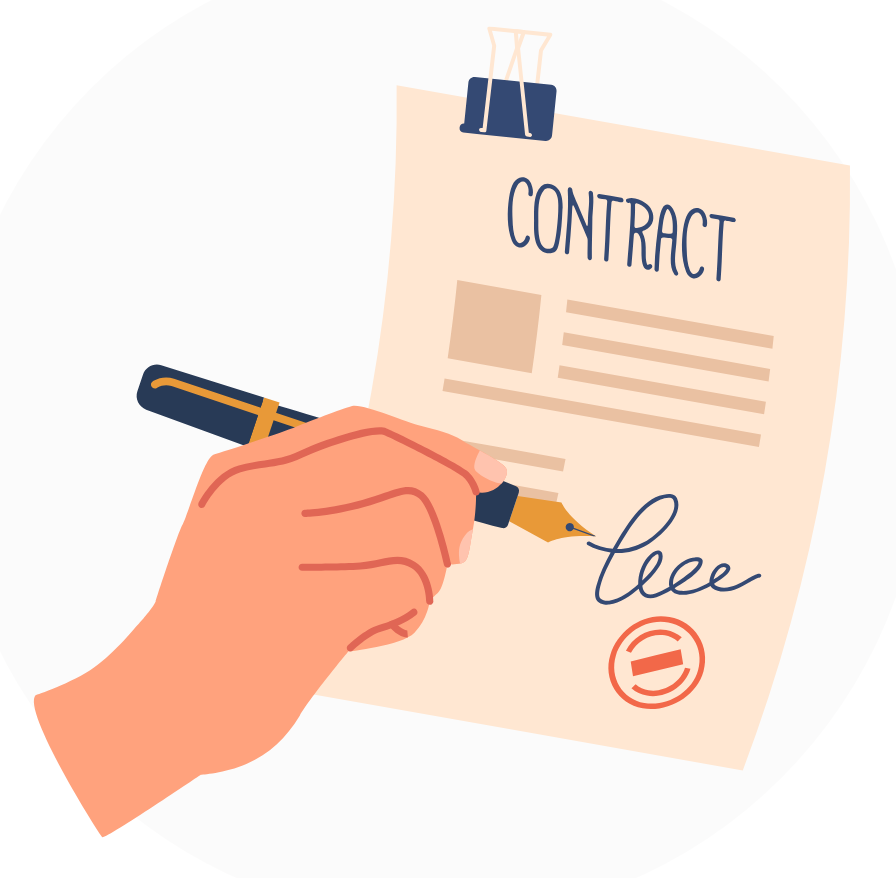
When was the last time you skimmed over a contract and just signed on the dotted line? If you’re like most people, you’ve probably done it more than once. But when it comes to major financial commitments—like leases and mortgages—ignoring the fine print can lead to expensive mistakes.
Why the Fine Print Matters
Contracts are designed to protect both parties, but they often contain clauses that can significantly impact your financial well-being. The fine print may outline hidden fees, penalties, or restrictions that could catch you off guard later.
What to Watch For in Any Contract
Before signing any major agreement, look for these common red flags:
✔️ Hidden fees – Maintenance costs, administrative charges, or penalties that aren’t obvious upfront.
✔️ Automatic renewals – Some leases and contracts auto-renew unless canceled within a specific timeframe.
✔️ Liability clauses – Who is responsible for damages, repairs, or missed payments?
✔️ Early termination penalties – If you need to break a lease or refinance a loan, how much will it cost you?
✔️ Variable rates – Are your payments fixed, or can they increase over time?
Protect Yourself: Read, Ask, and Negotiate
- Don’t rush – Take your time to go through every detail.
- Ask questions – If anything is unclear, get clarification before signing.
- Consult a professional – A lawyer or financial advisor can help spot risky clauses.
- Negotiate where possible – Many terms are not set in stone and can be adjusted in your favor.
The Bottom Line
A few extra minutes spent reading the fine print can save you years of financial stress. Whether you're signing a lease, mortgage, or any other binding agreement, take the time to understand exactly what you're committing to—before you sign.
Ready to Schedule a Meeting?
Click here or the photo below to schedule an in-person, virtual, or phone call meeting.
We look forward to working with you!