We all have financial habits—some helpful, some not so much. Whether it's the temptation of a sale, the comfort of a coffee run, or the impulse to click “buy now,” our daily choices shape our financial future more than we realize.
The good news? By recognizing the behaviors behind those choices, we can start to make better ones.
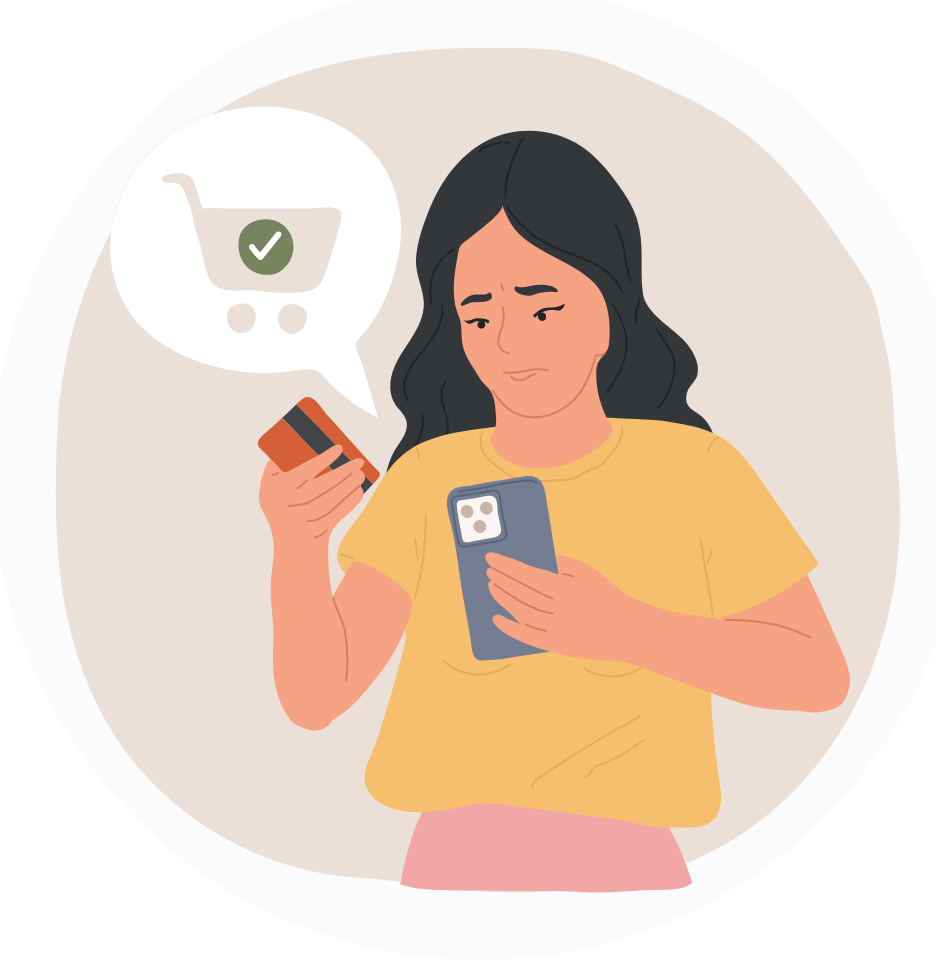
Why We Spend More and Save Less
Our brains aren’t always wired for smart financial decisions. We’re emotional creatures, and money often carries emotional weight—security, freedom, even self-worth. Here are a few common financial behaviors that can quietly steer us off track:
- Impulse spending: That moment of instant gratification feels good—until we check the bank account later.
- Lifestyle creep: As income increases, so do expenses. Suddenly, "treating yourself" becomes the norm.
- Avoidance: Sometimes, we don’t want to look at our balances or face what we owe. But ignoring it won’t make it go away.
- Social comparison: Trying to keep up with friends, neighbors, or influencers can push us to spend beyond our means.
Awareness Is the First Step
Just like tracking calories can help improve eating habits, tracking your spending—even for a week—can be eye-opening. Look for patterns. Are you shopping when you’re bored? Ordering takeout after stressful days? Subscribing to things you no longer use?
When we pause to ask why we're spending, we often realize it’s less about needing the item and more about reacting to a feeling.
Simple Ways to Improve Your Financial Behavior
You don’t have to overhaul your finances overnight. Small changes can lead to big improvements:
- Set automatic transfers into savings—remove the temptation to spend first.
- Unsubscribe from marketing emails that encourage impulse purchases.
- Create a “cooling-off” rule: wait 24 hours before buying non-essentials.
- Use cash for discretionary spending to feel the “pain” of parting with money.
- Celebrate wins—even small ones. Recognizing progress helps reinforce better habits.
Progress, Not Perfection
We all have moments of financial slip-ups. What matters is getting curious instead of feeling guilty. What triggered that impulse? What can you learn from it? The more self-aware you become, the more in control you’ll feel.
Improving your financial behaviors isn’t just about spending less—it’s about making choices that align with what truly matters to you.
Ready to Schedule a Meeting?
Click here or the photo below to schedule an in-person, virtual, or phone call meeting.
We look forward to working with you!