As you approach retirement, there’s plenty to look forward to—more time for hobbies, family, and travel, and ideally, fewer financial obligations. But one important strategy is minimizing your debt before retirement to ensure a comfortable retirement.
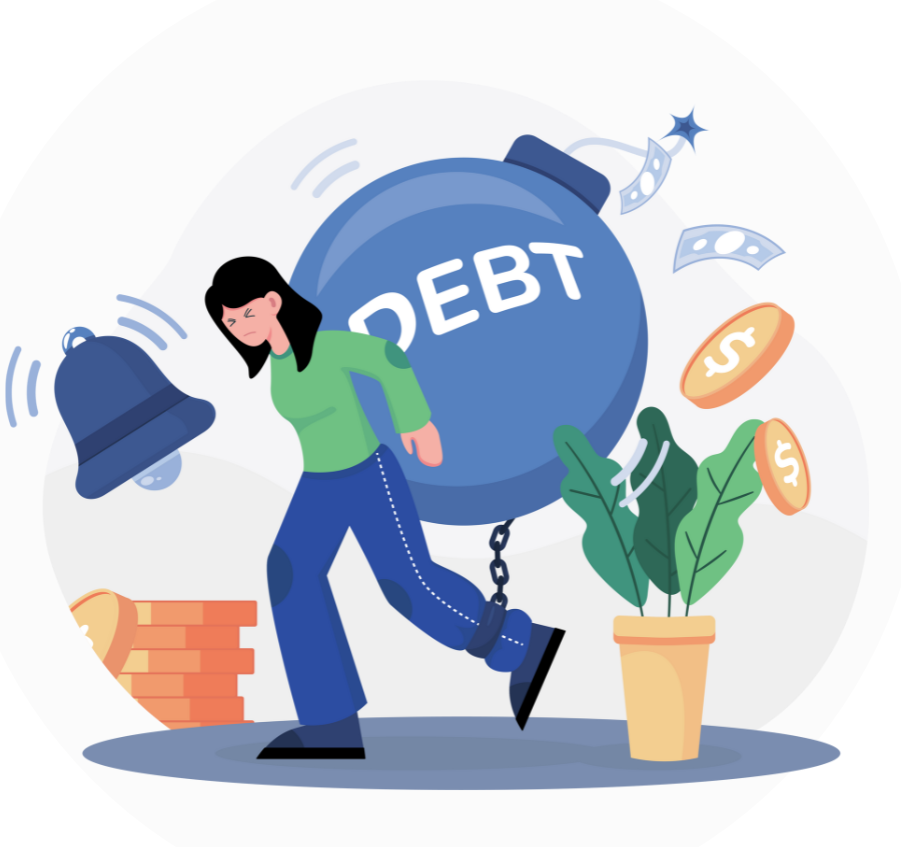
Debt Doesn’t Retire When You Do
When you leave the workforce, your income typically shifts from a salary to fixed sources like Social Security, pensions, and withdrawals from retirement accounts. That makes budgeting more critical than ever. Monthly debt payments—whether they’re from a mortgage, car loan, credit cards, or personal loans—can eat into your retirement income and limit your financial flexibility.
Think Twice Before Taking on New Debt
As you near retirement age, it’s important to think carefully before making any major purchases that require financing. A new car or a home renovation might be tempting, especially while you're still earning a steady income. But ask yourself this: Will I want to be paying this off once I’m retired?
Large purchases right before retirement can leave you with a hefty monthly payment at a time when your income becomes more structured and potentially less flexible. Even if the interest rate seems low, the cumulative effect of debt payments over time can significantly reduce your retirement lifestyle.
The Benefits of a Debt-Free Retirement
- More Flexibility – Without debt payments, you have more freedom to decide how to use your money—whether it’s traveling, helping grandchildren with education costs, or simply enjoying peace of mind.
- Lower Expenses – The fewer monthly obligations you have, the easier it is to stretch your retirement income.
- Less Stress – Retirement should be a time of enjoyment, not anxiety over bills and balances.
- Better Estate Planning – A cleaner financial picture can make it easier to plan your legacy and avoid passing on obligations to loved ones.
Steps You Can Take Now
- Pay down high-interest debt as a top priority.
- Avoid new financing on cars, homes, or major purchases unless absolutely necessary.
- Review your current loans and consider refinancing if it helps you pay off balances faster.
- Work with a financial advisor to run a retirement budget that includes any existing debt payments and strategize ways to eliminate them.
The Bottom Line
Heading into retirement with minimal debt sets the stage for greater financial confidence and more options in how you spend your time and money. Before signing up for that new loan or putting another purchase on your credit card, pause and ask yourself if it’s something that will enhance or hinder your retirement years. Chances are, your future self will thank you for choosing less debt and more freedom.
Ready to Schedule a Meeting?
Click here or the photo below to schedule an in-person, virtual, or phone call meeting.
We look forward to working with you!