When you think about finances, you might picture spreadsheets, budgets, and investment portfolios. In this section, we discuss how emotions influence financial behavior and how to navigate it with clarity and confidence.
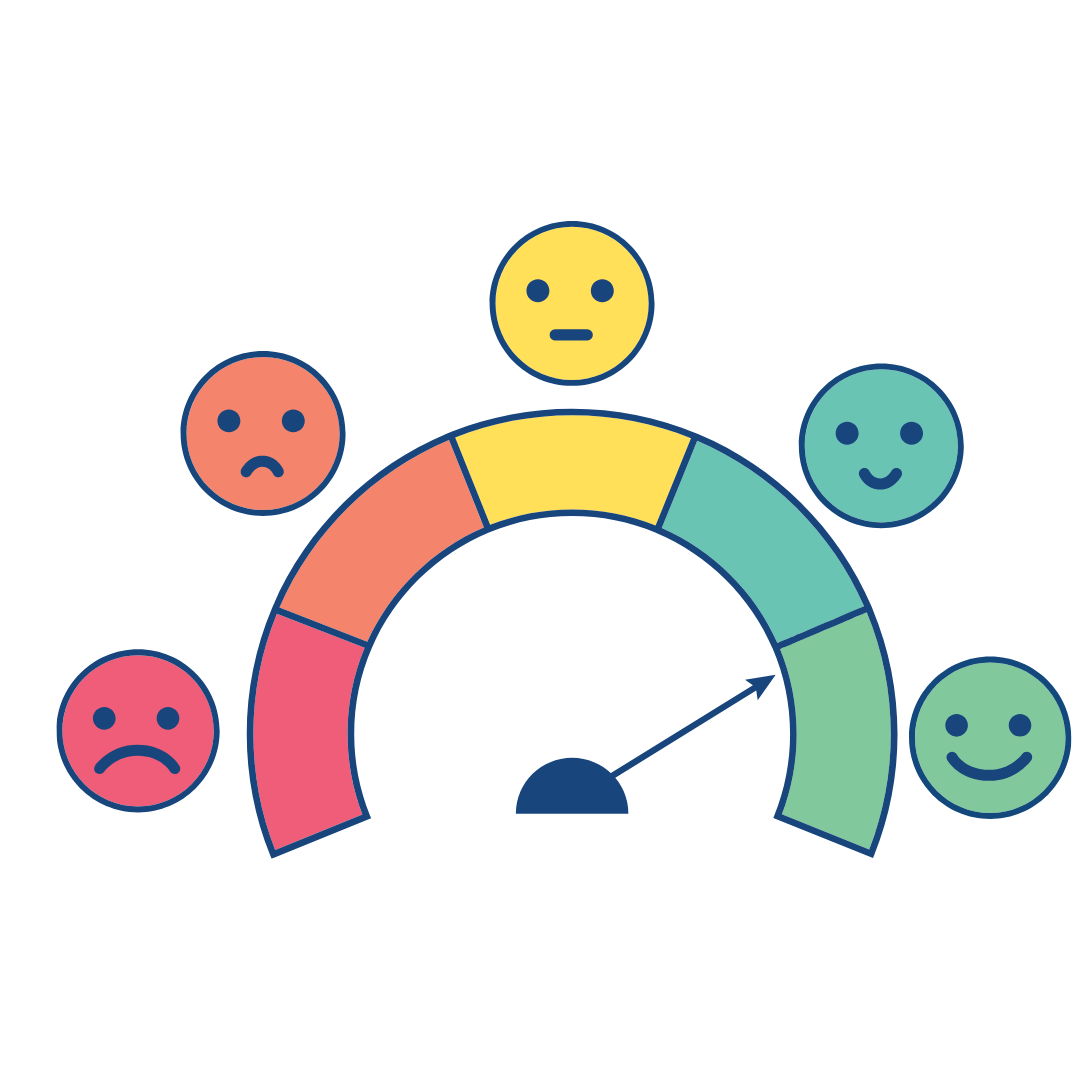
The Emotional Impact of Financial Decisions
Financial Decisions Reflect Personal Values and Security:
For many, money isn't just a tool for transactions; it's a source of security and a reflection of personal values. When your financial situation changes—whether you receive a bonus, face an unexpected expense, or navigate economic downturns—these shifts can evoke a range of emotions from joy and pride to anxiety and fear.
- Money as a Security Blanket:
- Money often symbolizes stability. Changes in your financial landscape can trigger feelings of safety or insecurity, affecting your emotional well-being.
- Personal Values and Identity:
- Your financial choices—whether you’re spending on luxuries or saving for future needs—often reflect what you value. These decisions can influence how you perceive yourself and how you believe others see you.
- Past Experiences:
- Your history with money can shape your emotional responses. Growing up in a financially unstable environment may lead to heightened caution, while experiencing financial abundance in the past might make you more comfortable with spending.
Emotional Biases and Financial Behavior
Our emotions can subtly (or overtly) influence how we handle money, often in ways we might not fully realize.
- Impulse Spending:
- Feeling elated or stressed? You might find yourself indulging in retail therapy or making purchases on a whim, only to regret them later.
- Fear and Greed in Investing:
- Emotions can drive investment decisions. Fear may push you to sell investments prematurely during market downturns, while greed can lead you to chase high-risk opportunities without proper analysis.
- Avoidance and Denial:
- Facing financial difficulties can be emotionally challenging. Some people cope by ignoring bills, avoiding budget reviews, or delaying debt management, which can worsen financial problems over time.
Strategies to Balance Emotions and Finances
Managing the emotional aspects of finances requires a thoughtful approach. Here are some strategies to help you maintain a balanced perspective:
- Recognize and Acknowledge Feelings:
- Take a moment to assess how you're feeling before making significant financial decisions. Understanding your emotional state can help you approach decisions more rationally.
- Set Clear, Realistic Goals:
- Well-defined financial goals provide direction and reduce the stress associated with uncertainty. Whether you’re saving for a home, paying off debt, or planning a vacation, clear goals can keep you focused.
- Develop a Financial Plan:
- A structured financial plan acts as a roadmap, guiding your decisions even when emotions run high. Having a plan in place can help you stick to your goals and resist impulsive decisions.
- Seek Support and Guidance:
- Talking to a financial advisor or a trusted friend can offer valuable perspectives and help counterbalance emotional biases. Sometimes, just sharing your financial concerns can alleviate stress and provide clarity.
Building Emotional Resilience in Financial Management
Developing emotional resilience can help you handle financial ups and downs with greater ease and confidence.
- Build an Emergency Fund:
- An emergency fund provides a financial cushion for unexpected expenses, reducing anxiety and offering peace of mind.
- Mindfulness and Stress Management:
- Practicing mindfulness, meditation, or other stress management techniques can help you cope with financial stress and make more thoughtful decisions.
- Regular Financial Reviews:
- Periodic reviews of your finances can prevent small issues from escalating and help you stay on track with your goals. Regular check-ins can also reduce the emotional burden of unexpected financial surprises.
Conclusion
Understanding that emotions are an integral part of financial decision-making allows you to approach your finances with greater awareness and sensitivity. By acknowledging your feelings and implementing strategies to manage them, you can make more informed and balanced financial choices. Embracing the emotional side of finances is key to achieving not just financial stability, but also peace of mind and overall well-being.
Ready to Schedule a Meeting?
Click here or the photo below to schedule an in-person, virtual, or phone call meeting.
We look forward to working with you!