

If you’ve ever come across an ad or email promising an exciting new investment “opportunity” with high returns and no risk, your instincts might have kicked in—and for good reason.
Scammy investment pitches often follow a similar pattern: they’re vague, urgent, and sound almost too good to be true. That’s because they usually are.
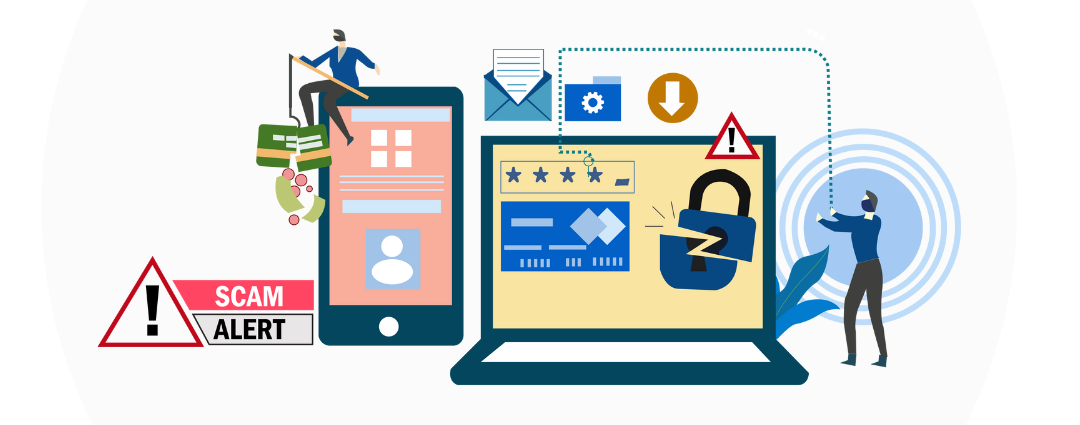
Common Red Flags to Look Out For
Before you consider any investment, take a step back and look for these warning signs:
1. Vague Descriptions
If the ad can’t clearly explain what the investment is or how it works, that’s your first red flag. Phrases like “exclusive strategy,” “secret method,” or “groundbreaking opportunity” are often used to avoid giving specifics. Real investments are transparent, not mysterious.
2. Unrealistic Returns
Every legitimate investment carries some level of risk—and returns are never guaranteed. If someone promises “guaranteed returns” or double-digit gains with zero risk, be skeptical. The greater the potential return, the higher the potential risk. That’s the trade-off in investing.
3. Urgency and Pressure
Scammy pitches often rely on urgency to cloud your judgment. You may hear:
“You must act now!”
“Only a few spots left!”
“This opportunity is closing soon!”
Creating a false sense of scarcity is a tactic to push you to act before thinking it through. Real financial opportunities don’t expire in hours.
4. Unregistered Products or Sellers
Always verify the investment and the person selling it. Use resources like Investor.gov or brokercheck.finra.org to check if a seller is licensed and if the product is registered. If someone discourages you from doing your own research, walk away.
5. Lack of Risk Disclosure
Every legitimate investment should include a discussion of the potential risks. If an ad downplays or outright denies the possibility of losing money, it’s not being honest—and that's dangerous.
How to Protect Yourself
Ask questions. If someone can’t clearly explain how the investment works, don’t proceed.
Get it in writing. Never rely on verbal promises.
Do your homework. Google the company, the investment, and check for complaints or reviews.
Talk to a fiduciary advisor. Someone who is legally obligated to act in your best interest can help you sort out what’s legitimate and what’s not.
Final Thought
The best investment decisions are built on solid research, transparent information, and a realistic understanding of risk and reward. If something sounds too good to be true—it probably is.
When in doubt, trust your gut, take a breath, and ask questions. A little skepticism can save you a lot of money.
Ready to Schedule a Meeting?
Click here or the photo below to schedule an in-person, virtual, or phone call meeting.
We look forward to working with you!
